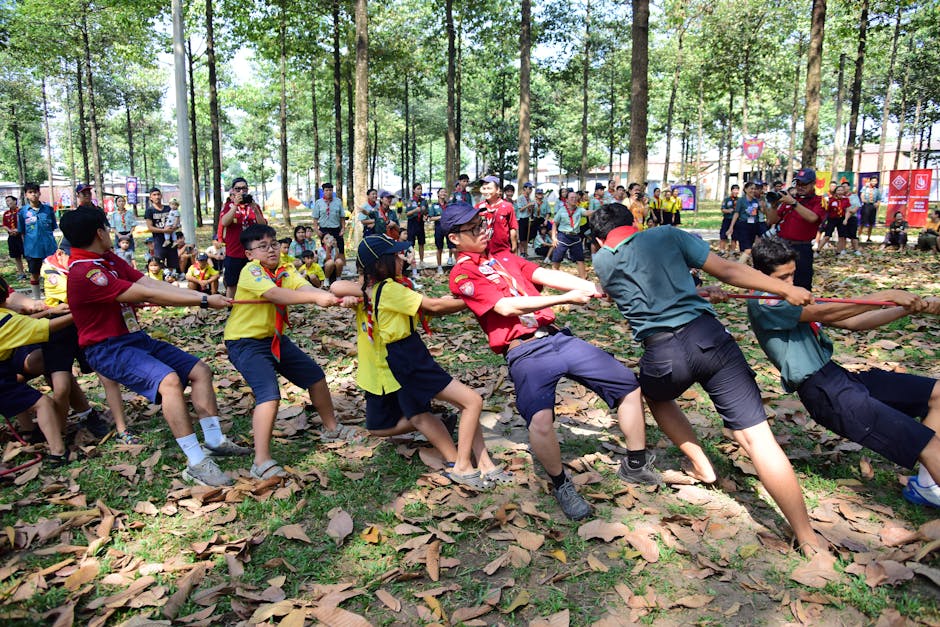
After-school learning studio
Homework support, reading practice, creative assignments, and small-group mentoring across the school week.
Ask about enrollmentPrograms & Events
This combined page brings together the steady weekly work and the larger public moments that shape Orlovi Rano Lete. Some activities run quietly every week. Others gather whole neighborhoods around one table, one stage, or one shared afternoon.
Now open
May registration is active for after-school support, youth leadership sessions, and the next public family maker afternoon. Early registration helps us plan transport, materials, and volunteer support.
Register interestCore programs
These are the recurring programs families and young people return to most often. They are practical, relational, and designed to be easy to enter without feeling temporary.
Homework support, reading practice, creative assignments, and small-group mentoring across the school week.
Ask about enrollment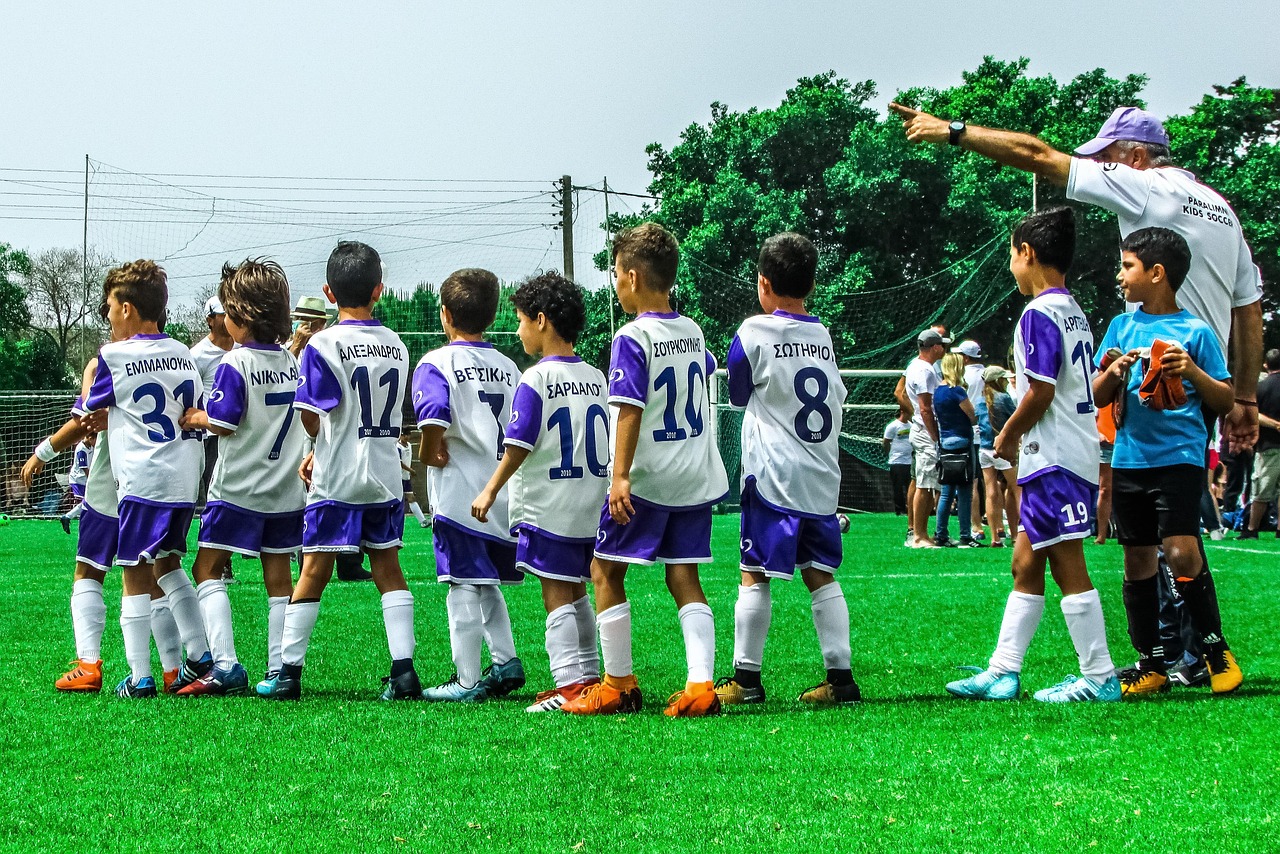
Peer facilitation, public speaking, planning practice, and confidence-building for older participants becoming leaders.
Meet the team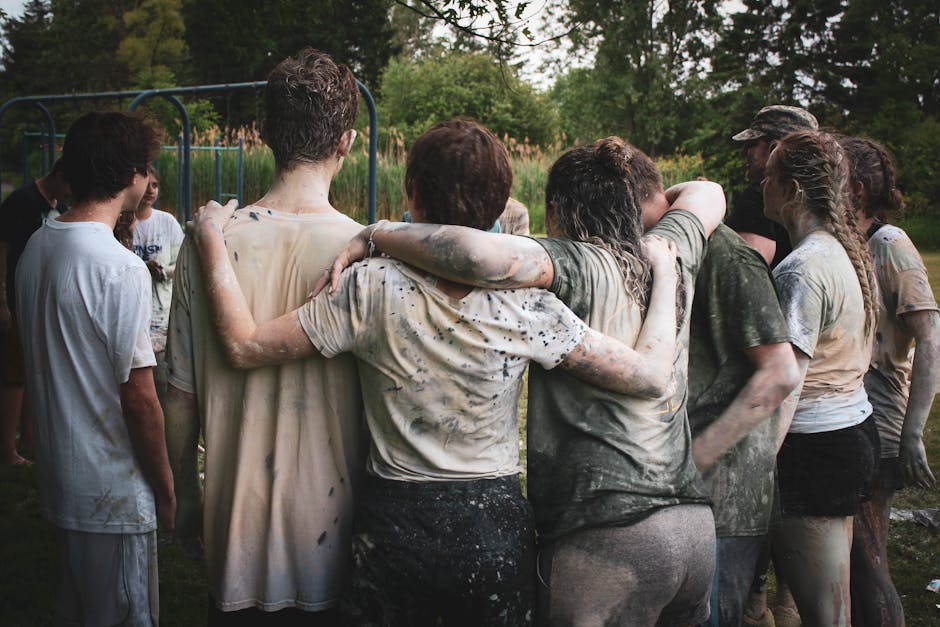
Shared practical sessions where parents and children build, cook, paint, and solve challenges side by side.
See event rhythm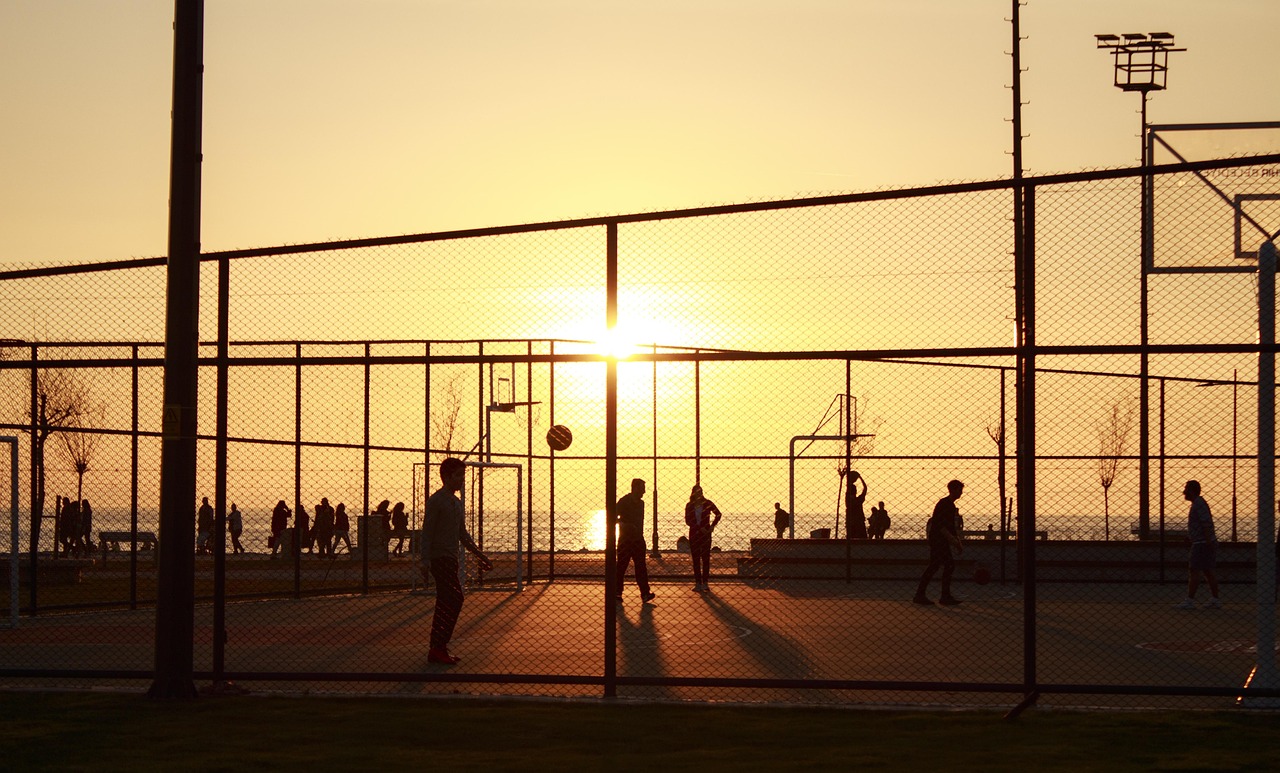
Low-barrier events that connect new families, volunteers, artists, educators, and local partners in one space.
View featured eventsProgram guide
The page combines ongoing programs with public events because families often enter through one and stay for the other. The pathway matters as much as the individual activity.
Quiet, guided gatherings that combine reading, discussion, and practical support for concentration and routine.

Visiting educators, artists, and social workers bring specialist sessions without losing the local tone of the program.
Larger gatherings mark school breaks, seasonal transitions, and campaign moments with visible neighborhood participation.
Smaller sessions are available for participants needing a steadier pace, closer attention, or extra transition support.
At Orlovi Rano Lete, a festival, showcase, or open day is not only a celebration. It is also a first point of trust, a way to meet staff without paperwork, and a visible invitation for families who need time before joining a weekly routine.
That is why events are designed with practical follow-through: registration tables, volunteer orientation, partner introductions, and clear next-step invitations before the day ends.
The event creates momentum. The program gives that momentum somewhere to land.
Participation patterns
Families rarely arrive through a single channel. The strongest participation comes from people who can move between weekly support, public events, and low-pressure first visits.
68%
Of new families first met the organization through a public event before joining a recurring program.
Entry point
Open formats make it easier for first-time visitors to meet staff, see the atmosphere, and decide to return.
4
Distinct program pathways connect children, caregivers, volunteers, and partner organizations each month.
Continuity
The same monthly rhythm supports tutoring, leadership, family participation, and neighborhood gathering.
42
Volunteers and facilitators rotate through workshops, support sessions, and event days across the cycle.
Scale with care
Even larger events are staffed by the same people families meet during smaller sessions, which keeps trust intact.
Event sequence
The strongest days move from arrival to participation to follow-up without losing warmth or clarity.
How collaboration works
Schools, local studios, social workers, and volunteer groups do not appear only as logos on event day. They help shape workshop quality, referral pathways, and the practical capacity needed to sustain a combined programs-and-events calendar.
Next step
This page is built for action. If you are a parent, caregiver, volunteer, school, or local partner, there is a clear way to enter. Start with the format that feels easiest and let the relationship grow from there.
Ask about enrollment in weekly learning, mentoring, or family participation sessions.
Come to a public event first if you want to meet the team and see the atmosphere in person.
Support event logistics, workshop assistance, welcome desks, or follow-up family coordination.
Bring space, teaching expertise, equipment, or neighborhood networks into the next program cycle.